
Good design does not start with screens or colors.
It starts with understanding the right problem and the limits around it. Many products fail not because of bad UI, but because teams solve the wrong problem.
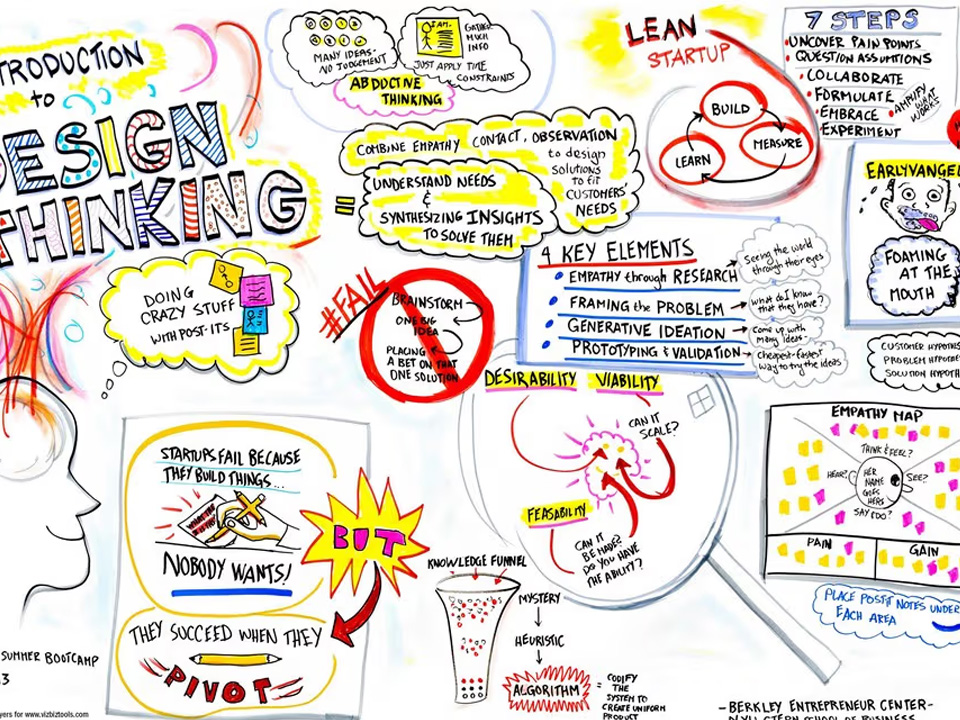
What Is Problem Framing?
Problem framing means clearly defining:
– Who has the problem
– Where it happens
– Why it happens
– What impact it causes
Bad example:
– “Users leave the checkout.”
Good example:
– “Mobile users leave the payment step because error messages are unclear, causing high drop-off.”
Now the team knows exactly what to fix.
When problems and constraints are clearly defined, teams naturally focus on the right issues instead of wasting time on assumptions or symptoms. Design decisions become practical and buildable because everyone understands what is realistically possible. This clarity speeds up decision-making, keeps stakeholders aligned, and reduces unnecessary revisions. As a result, execution becomes more efficient and outcomes improve in a measurable way.